RV Spring Maintenance Checklist — Get Ready to Roll
Share article
De-winterizing an RV before you take to the road in the spring can be a fairly big undertaking. But not to worry. Our friends, Wandering Weekends, gave us their top 13, must-do spring maintenance items for RV owners. These RVing veterans and fellow Lippert™ Scouts have your guide to everything from flushing your water lines to where to inspect for critters that decided to call your camper home for the winter. With this RV spring maintenance checklist, it’ll be all systems go for the open road and some family fun in no time! Let’s get your RV ready for camping season...
1. De-winterize Your RV
This is the big one. Spring definitely indicates the time to de-winterize your RV, and this task indicates the official start of camping season for most part-timers and weekend warriors.
- Flush your RV’s water lines with fresh water
- Sanitize your lines too. Anti-freeze might have high alcohol content, but it shouldn’t be used as a sanitizer.
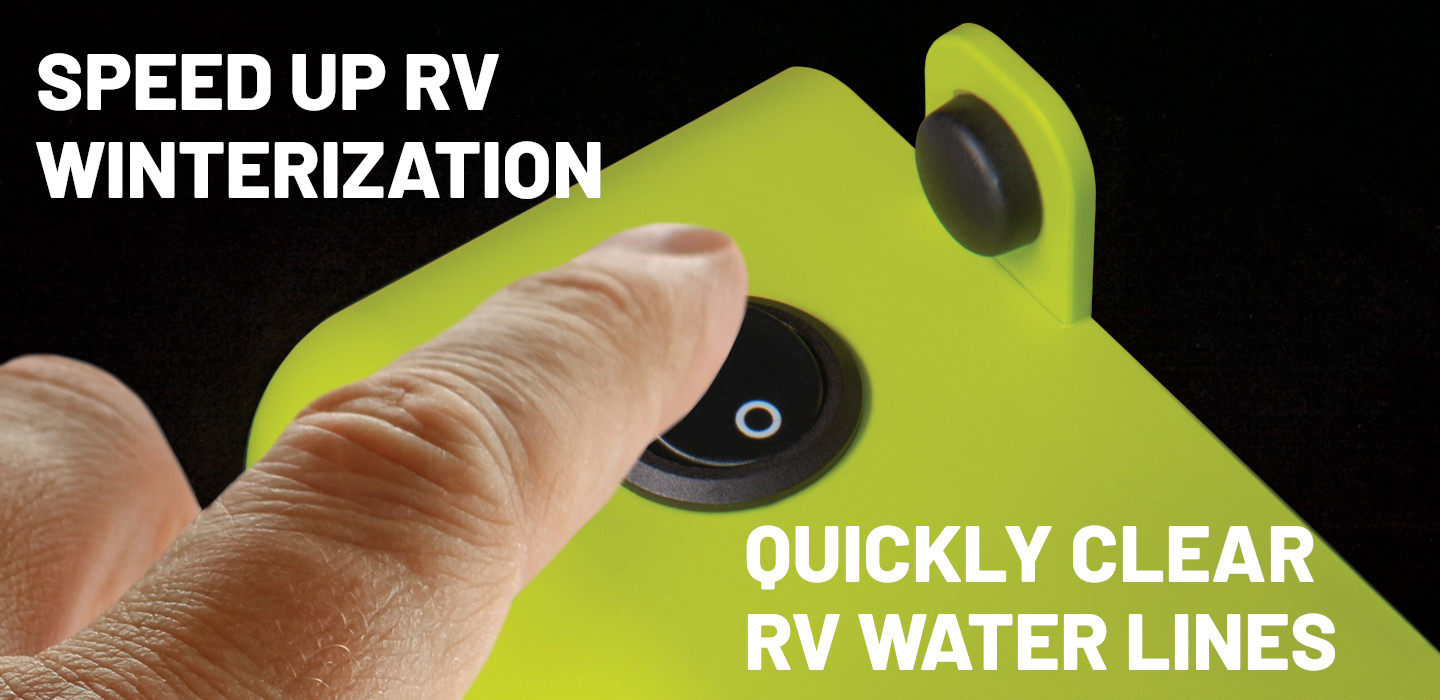
For an easy way to help de-winterize your water lines, Floë is a water drain-down system that flushes your pipes out in minutes. You can use this before winterizing your rig and, honestly, before or after any trip to eliminate stale, stagnant water in your fresh water tank and lines.

2. Re-connect Water Heater
While RV owners must bypass the water heater to properly winterize now, we need to re-engage!
- Thankfully, these systems are super simple. Most RVs operate with either a three-valve or two-valve setup. Simply turn your valves back on, and just like that, you’re good to go.
- This is also a good time to flush your water heater before hitting the road.
If water pressure has been an issue during previous travel seasons, you can upgrade your system at this time with products like the Flow Max™ water pump, these cost-effective upgrades give you more water pressure, so you can get the water you need when you need it.
3. Check AC, Furnace and LP Gas
If you wanted to camp cold or hot you would’ve just bought a tent! Make sure your HVAC is in working order before you leave. Check LP levels at this time as well.
- Make sure your RV’s HVAC is in working order before taking off.
- Run both heating and cooling to ensure that they’re functioning properly so you don’t get stranded on a hot or cold night without heat or AC.
- Check your LP levels during this time too.
4. General Equipment
Before you’re on the road or getting ready to set up your campsite, run all of your RV’s equipment to make sure everything is still operating as it should be.
- Is your equipment still functioning properly?
- Did cold damage water lines?
- Did a critter feast on a wire?
You want to check these things out now before they come bigger, more expensive issues down the road. For squeaky equipment and areas prone to rust, check out Chassis Shield and Kwikee KwikLube™ to give things like your stairs, slide-out rooms and chassis added protection and lubricant that will help it move and operate correctly.
And if you’re looking for an easier way to do the “dirtiest” task required of RV owners, the Waste Master® helps you empty your rig’s holding tank, mess-free. It comes complete with a time-tested cam lock connector that ensures a leak-resistant connection.

5. Tires
Always be sure to give your RV’s tires a good once over before hitting the road for any trip — especially when you’re pulling your rig out for the first time of the year. Nobody wants to kick-off their travel season with a blowout!
- Clean off road tar, oil and dirt, if you didn’t before storing your RV
- Check for cracks and dry rot
- Check for proper tire pressure
- EXTRA STEP: Apply a good UV-protective tire dressing that is alcohol, silicone, and petroleum free
PRO TIP: It’s worth thinking about adding a Tire Pressure Monitoring System (TPMS) for your RV, check out Tire Linc®! This easy-to-install system lets you keep an eye on your tires with updates sent straight to your phone.
6. RV Roof
You’ll want to inspect your RV rooftop for openings or breaks where water and air can get in.
- Check around your roof vents
- Examine your air conditioner
- Inspect your satellite
- Any other areas where water or air could potentially infiltrate your RV
For roofing and seal repairs, Alpha Systems offers a wide variety of RV roof materials, including sealants, tapes, roof repair kits, roof cleaners and adhesives designed to help you maintain and repair your rig all year long.
7. Leaks
Plain and simple, water is the enemy of any RV interior. The sooner you catch a leak, the better.
- Check seals and gaskets around windows and doorways
- Be sure to inspect areas where pipes can drip
- Don’t forget to check for leaks around your fridge
8. Pests
You should also use this time to inspect for any critters that might have decided your RV was a cozy place to call home during the winter. Most RV owners decide to evict their rent-free, critter companions, but that’s totally up to you. Pay extra attention to your RV appliances. They provide yet another great spot for insects and pests to hang out.
- Many insects are attracted to your propane tank, so be sure to include this spot in your checklist.
- Your RV’s vents are also a common area as they provide pre-made “nests” for bugs and animals.
- You can also find insect issues in your camper’s water heater, furnace and refrigerator.

9. Interior Cleaning
Now, this should be a given, but we’re going to say it anyways. Give your interior a good cleaning to rid your RV of all the dust and cobwebs that have accumulated during the winter months. You’ll be glad you did this once you get to the first campsite of the year feeling fresh and clean.
- Rid your RV of all the dust and cobwebs that have accumulated during the winter months
- Vacuum, polish and clean your RV Furniture
- Turn over your mattresses
- Sanitize your bathroom
And if you’re looking for an easy, inexpensive way to make your interior smell better this year, upgrade your RV’s ventilation system with the 360 Siphon® roof vent cap. This cap creates an updraft, helping to expel any of those unwanted smells and odors from your RV before they invade your living space.
10. Check Smoke Detector and CO2 Detector Batteries
Another given to-do item, but a friendly reminder, nonetheless. Please, check your RV’s smoke and CO2 detectors before you and your loved ones start camping for the season.
11. Purge Storage Areas
Just like your house, "stuff" accumulates quickly in an RV. Sometimes we find items we think we'd love to use at the campsite only to learn we didn't really need or want them after all.
- Interior and exterior storage compartments that are go-to spots for throwing extra gear.
- The pass-thru storage area is always a popular location for extra camping equipment too.
- This is also a good time to take a look at all of your gear and equipment to see what you still need and what you can leave behind this travel season.
Looking for more? Check out these storage ideas to help you get organized.

12. Stock Toiletries and Other Non-Perishable Items
This is a great time to stock-up on some of the items you know you’re going to need on the road.
- Paper towels
- Toilet paper
- Soaps for dishes, cleaning and showering (deodorant, shampoo, etc.)
- Garbage bags
- And all other “non-perishable” items you and your family know you’re going to use all travel season.

13. Exterior Cleaning
Now that you’re all squared-away with the maintenance and interior cleaning tasks, it’s time to make your rig look pretty.
- While some car wash locations have bays big enough for RVs, you can spray your camper down at home, just like you would your car.
- Spray down your tires and undercarriage for any dirt or mud that didn’t get cleaned off after last season.
- There are also several RV cleaning products on that market that typically include some type of UV protection, adding an extra-layer of defense against the elements.
For cleaning tools, check out the Power Pro Max portable pressure washer. Not only will this thing help you spray your rig off at home, but it doesn’t require a spigot or hose connection so you can take it with you camping — allowing you to clean your RV or camping equipment any time you want.
There’s also the Alpha Systems RV roof cleaner designed specifically for rubber roofing materials on RVs. This gives your rig a spotless shine and will give you peace of mind knowing it’s safe for your camper.
Mission (or Should We Say, Maintenance) Accomplished!
Whatever type of RV you own — motorhome, travel trailer, fifth-wheel, pop-up, or toy hauler — it's ready for the road, camping and some incredible family fun!
One last note and disclaimer: While performing these tasks, you might run across a larger problem. If you even suspect a repair might be needed, it’s time to take your rig to an RV dealer or other qualified RV service center.
Yet another reason that RV spring maintenance is not only nice, but necessary!