Spring Savings Are Here | Shop the Sale
Types of RV Slide-Outs

Beginner's Guide to Types of Slide-Outs

Share article

facebook-share
pinterest-share
twitter-share

Slide-outs or RV slides are rooms on an RV that expand the living space by extending outward. Most slides expand with a simple switch on the wall while others may be tied directly to electronic monitoring systems. There are a few different types of slide rooms and if you are in the market to purchase replacement parts, you will need to know what type your motorhome currently has. 

Shop RV Slide-Out Parts

Electric vs. Hydraulic Mechanism

An RV slide-out is electric if it uses small motors and visible gear systems, and it is hydraulic if it uses a cylinder connected to high‑pressure hydraulic lines that push and pull the room in and out. Checking for motors, cylinders, or hydraulic hoses is the fastest way to determine which mechanism your RV uses.

If you don’t have the manuals that identify whether your slide-out is hydraulic or electric, there are a couple of things to look at that can tell you with just a glance. It is not just a matter of looking for a hydraulic pump and reservoir on your RV because many RVs can and do have a hydraulic leveling system but utilize an electric system for the RV slides. 

The first thing to look for would be whether your slide-out has small motors to extend and retract the room or a hydraulic cylinder to move the room in and out. 

If there is a cylinder attached to the room, look to see if you can find hydraulic lines attached to the cylinder. These high-pressure lines allow hydraulic fluid to be pumped into the cylinder at one end of the piston to extend the room and push fluid into the other end of the cylinder to retract it. If a hydraulic line is connected to the cylinder at one end, that indicates the slide room uses a hydraulic slide-out system. 
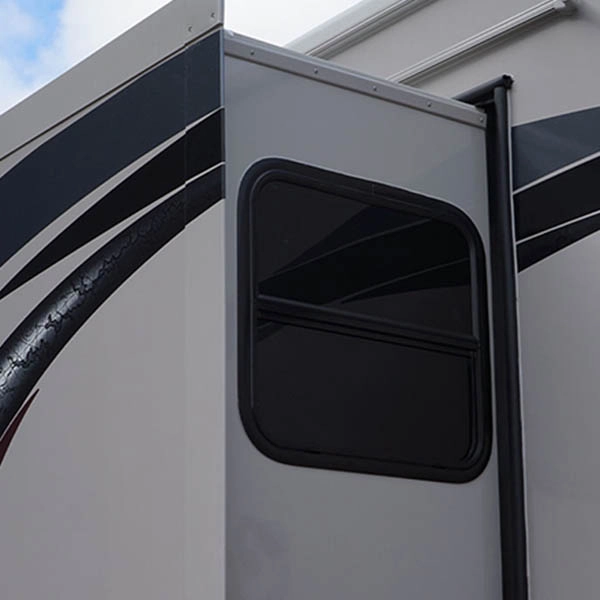
Above-Floor RV Slide Room with WindowAbove-Floor RV Slide Room with Window

To identify if your slide-out is electric, one of the obvious things to look for would be no hydraulic lines connected to the room. You can also look for a gear and rack system with a small electric motor attached to it to extend and retract the room. For instance, the Lippert Schwintek room slide-out system has its racks mounted to the side of the room with the electric motor mounted at the top of the column. On the other hand, the Lippert Through Frame system has gears and a rack under the bottom of the slide-out and an electric cylinder with the drive motor attached at one end of the cylinder.  

Taking a moment to check for these different types of drive motors or hydraulic cylinders can quickly and easily tell you whether your system is hydraulic or electric and will help you determine what type of maintenance you will need to do to keep your system running smoothly. 

RV Slide-Out Identification: Main Types of Slide-Out Systems

There are several different slide-out systems available to RV manufacturers today; some electric, some hydraulic, and some systems can be either/or. When yours is not working as intended, and you can’t find the manual to identify what type of slide-out your coach has; it can be challenging to figure out what your system is so you can troubleshoot. 

Two main cable slide-out systems are being utilized in the RV market today. The Bal cable system and the Lippert F.A.S.T. Track System. With each, you can tell it is a cable system by the cables running alongside the slide-out. There are a couple of differences that can identify which is on your coach. The Lippert system can be identified by the drip tray at the bottom corners of the slide-out opening and the lower wipe seal. The Bal system does not use a lower seal or drip tray. 

The Schwintek system is easily identifiable by the gears and racks mounted on the outside walls of the slide-out room. Also, the motor to drive the system and move the room in and out is mounted on the top of the column. 
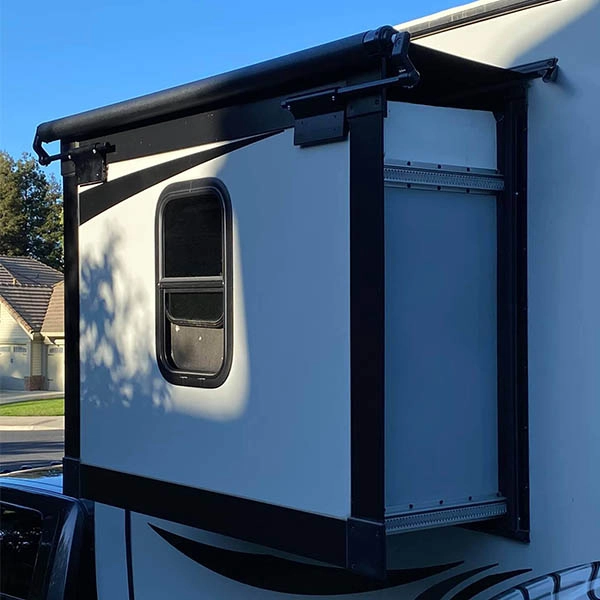
Small Slide-Out Room with a Type of RV Slide-Out MechanismSmall Slide-Out Room with a Type of RV Slide-Out Mechanism

You can Identify the through-frame system by the gear and rack system location under the floor of the slide room. Beside the rack will be an electric cylinder that will include an electric motor mounted on one end of the cylinder. This is used to extend or retract the room, with only one motor on one side of the room or the other. The other side of the room will move in and out with the drive side of the system on a drive shaft.  

The SlimRack System, just like the Schwintek System, can be identified by the racks running alongside the slide room and the electric drive motor mounted on the top of the drive shaft. However, the main difference you will notice between the two systems is that while the Schwintek rack is mounted to the side of the room with screws, the Slim Rack system is only attached to the room at the end of the rack. The rack itself is not in contact with the room anywhere else. 
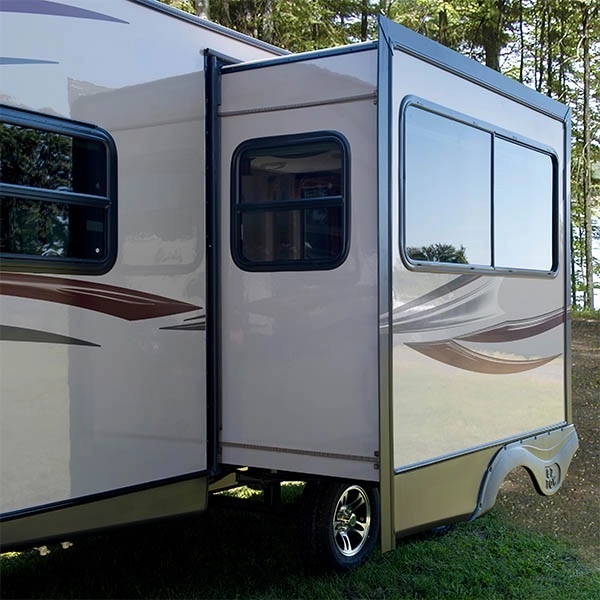
Large RV Slide-Out Room with WindowsLarge RV Slide-Out Room with Windows

How Slide-Out Technology Has Evolved Over Time

Modern RV slide-out systems are far more advanced than early designs, offering smoother operation, better synchronization, and stronger engineering. Early slide-outs often relied on basic mechanical components, while today’s systems integrate electric motors, in‑wall rails, and hydraulic pumps designed specifically for heavier rooms.

Today’s slide-outs offer improvements like:

  • More efficient motor performance
  • Quieter operation
  • Better load distribution
  • Weather‑resistant seal designs

These upgrades allow RV manufacturers to create larger living spaces without sacrificing durability or long-term reliability.

How to Know Which Slide-Out System Is Right for Your RV Lifestyle

Choosing the right slide-out isn’t only about the mechanism; it’s about how you plan to use your RV. Full-time travelers may need the strength and stability of hydraulic or rack-and-pinion systems to support heavy furniture and frequent operation. Weekend campers or lightweight trailer owners may prefer Schwintek or cable systems that reduce overall RV weight and require minimal structural framing.

The best slide-out is the one matched to your travel frequency, weather exposure, and how much interior space you need. Understanding your camping habits can help you evaluate whether you should prioritize power, speed, noise levels, or long-term durability.

5th Wheel Camper with Slide-Out5th Wheel Camper with Slide-Out

What to Check Before Extending Your RV Slide-Out

Many slide-out issues begin with improper setup at a campsite. A quick pre-extension checklist helps protect both the mechanism and the seals.

Before opening your slide, make sure to:

  1. Level the RV so the slide mechanism isn’t strained
  2. Check for obstacles like trees, pedestals, or posts
  3. Inspect the slide roof for sticks, leaves, or ice
  4. Confirm interior clearance around cabinets and furniture

A few minutes of inspection ensures smoother operation and reduces unnecessary mechanical stress.

Common Signs a Slide-Out Needs Adjustment

Slide-outs often show subtle signs of trouble before a major issue occurs. Catching these early helps prevent costly repairs.

You may need an adjustment if you notice:

  • Jerking, hesitation, or slow movement
  • Unusual grinding or clicking sounds
  • Gaps in the slide seals
  • Daylight visible at the corners
  • A room that extends unevenly on one side

If multiple symptoms appear at the same time, it may indicate misalignment or motor strain.

How Weather Can Affect Slide-Out Performance

Weather has a direct impact on how smoothly slide-outs operate, and understanding these effects can help prevent mechanical strain or premature wear.

In cold weather, slide-out motors often work harder because the lubricants inside the mechanism thicken and the rubber seals stiffen. Ice can also freeze behind gaskets or along the slide roof, increasing resistance and making it difficult for the room to extend or retract cleanly.

Hot temperatures bring their own challenges, as heat can soften rubber seals, causing more friction against the slide walls, and metal components may expand slightly, which can influence alignment or cause the slide to move more sluggishly. Moisture, whether from rain or humidity, introduces another layer of complexity. Wet conditions can allow dirt or debris to collect along tracks and seals, potentially affecting how tightly the slide closes or how smoothly it travels. Even windy environments can lead to increased debris buildup on top of the slide room or around sealing surfaces, which may interfere with the system if not removed before operation.

By understanding how different weather conditions influence slide-out components, RV owners can better prepare for seasonal changes and stay ahead of potential maintenance issues.

Frequently Asked Questions about Slide-Outs

  1. What is an RV slide-out and how does it work?

    An RV slide-out is a movable room extension that increases interior living space by sliding outward when the RV is parked. It operates using mechanical systems such as rack-and-pinion, hydraulic, Schwintek, or cable-driven mechanisms that extend and retract the room. Most slide-outs run on 12‑volt electric motors or a central hydraulic pump that powers the movement.

  2. What are the main types of RV slide-out systems?

    The main types of RV slide-out systems include rack-and-pinion systems, hydraulic slide-outs, Schwintek in‑wall systems, and cable-driven slide-outs. Each works differently and is chosen based on the size, weight, and intended use of the slide room. Some systems are built for heavy, full-depth rooms, while others are designed for lightweight or vertically tall slide-outs.

  3. Which type of RV slide-out is the most reliable?

    Reliability depends largely on how the system is matched to the RV and its slide room weight. Rack-and-pinion and hydraulic slide-outs are generally considered the most durable for large or heavy rooms, while Schwintek systems are very reliable when used within their designed weight limits. Consistent maintenance, proper lubrication, and inspecting seals and components have a major impact on long-term performance.

  4. How can I tell which type of slide-out my RV has?

    Most RV owners can identify their slide-out system by looking underneath the slide for gears, rails, or hydraulic components, checking for vertical aluminum rails on the outside walls, referring to the RV owner’s manual, or locating the slide mechanism’s label or model information inside cabinetry or storage compartments. If the system is still unclear, contacting the manufacturer or dealer with the RV’s VIN usually provides a definitive answer.

  5. What size slide-outs do most RVs have?

    RV slide-out sizes vary widely, but most fall within common ranges for depth, width, and height depending on the model and room design. Many slide-outs extend between a foot and a half to three feet outward and are often six to fifteen feet wide. Larger fifth wheels may include multiple slides, and some models use full-wall slide-outs that can reach lengths of twenty-five feet or more.

  6. Are certain slide-out types better for full-time RV living?

    Full-time RVers often prefer hydraulic or rack-and-pinion slide-outs because these systems handle heavier loads and frequent use well. Schwintek slide-outs are excellent for lighter rooms, but they are not usually the best choice for heavily loaded kitchen or living room slides in full-time rigs unless specifically engineered for that application.

  7. Do RV slide-outs require regular maintenance?

    Yes, slide-outs benefit from routine maintenance to keep them performing smoothly. This typically includes lubricating moving components when required, cleaning and conditioning the slide seals, checking for debris before extending or retracting the slide, and inspecting electrical, mechanical, or hydraulic parts periodically. Seasonal maintenance can prevent many common issues and extend the life of the system.

  8. What are common problems with RV slide-outs?

    Some of the most common slide-out problems include slow or uneven extension, unusual grinding or binding noises, motor failure, hydraulic leaks, misaligned gears or tracks, and malfunctioning control switches. Many of these issues are preventable with proper maintenance, good weight distribution inside the slide room, and routine inspection of seals and mechanisms.

  9. Can I operate my RV slide-out manually if the power fails?

    Most RV slide-out systems include a manual override method that allows you to retract or extend the slide when power is unavailable. Depending on the system, this can involve using a manual crank, accessing the motor through an underbelly panel, or opening a hydraulic valve to release pressure. Because procedures vary greatly, it’s important to follow the instructions in your RV’s owner’s manual.

  10. Are slide-outs safe to use in freezing weather?

    Slide-outs can be used in freezing conditions, but extra care helps prevent mechanical strain or damage. Keeping seals clean, ensuring that ice and snow do not block the slide path, and avoiding operation when components are frozen can reduce problems. Allowing the RV to warm slightly before retracting the slide helps prevent stress on motors, seals, and tracks.

  11. Can I expand my RV slide-out while the RV is not level?

    It is not recommended to operate slide-outs while the RV is unlevel. An unlevel RV can create additional strain on the slide-out mechanism, cause the slide to extend unevenly, or increase the risk of mechanical binding. Leveling the RV before extending the slide ensures proper operation and helps prevent structural damage.

    Disclaimer: All content provided on this blog, including but not limited to photographs, illustrations, recommendations, and technical approximations, is intended for general informational and demonstration purposes only. It does not reflect the specifications, capabilities, or requirements of any particular vehicle, vessel, equipment, or component. Always consult the appropriate manufacturer’s Owner’s Manual and follow all applicable safety, legal, and technical guidelines.

    Related Articles

    Loading...